
Board of Directors
Officers 2026/2027
- Scott Andrews
- Freda Bernotavicz
- David Clark
- David Cutler
- Leona Dufour
- Susan Goran
- Kevin Hart
- Bruce Hauptli
- Michael Jones
- Leah Sprague
- Laurie Spurr
- Ted Stainman
- William VanderWolk
- Ellen Whiting
- George Young
Executive Committee
- President: Susan Goran
- Treasurer: Kevin Hart
- Secretary: Dave Cutler
Meet Our Board of Directors

Scott Andrews
In 1988, Scott Andrews became the Founding Director of the Maine Coast Semester, a small school for independent, intensely curious, academically capable high school juniors offered by the Chewonki Foundation in Wiscasset. Scott spent almost 30 years at the school. working with a group of dedicated and gifted teachers to run and develop the program. Along with his administrative responsibilities he taught Advanced Placement United States history. Almost 40 years later, the school continues to serve students from throughout Maine and the United States.
Scott's path to the Maine Coast Semester wasn't straight. Music was, and still is, an important part of his life. While at Wesleyan University, he studied ethnomusicology and after a few years of immersing himself in music, Scott got his first job teaching music to elementary school students, and it was there, in a private school in New York City, that he fell in love with teaching. In 1978, Scott moved to Maine to work at the Chewonki Foundation.
Although he often took on administrative roles at Chewonki and elsewhere, his heart has always been in the classroom. So, when he was asked to start the Maine Coast Semester, he jumped at the chance to develop a small school from the ground up and to teach US History, a subject that had interested him since he was young, encouraged by a father who was both a Headmaster and a history teacher. The creative endeavor of growing the school, alongside his wife who was on the faculty, was both fun and challenging, and teaching hundreds of truly incredible students, many of whom came from Brunswick and the mid-coast, was supremely satisfying.
Since retiring, Scott has returned to music more frequently; he has been a long-time volunteer at the Maine Maritime Museum, and he has taught several courses at Midcoast Senior College.

Freda Bernotavicz
Freda moved to Maine in 1974 from Washington D.C. looking for a healthy place to live and raise a family. With a graduate degree in Instructional Communications, she worked at University of Southern Maine until her retirement in 2017. At the Muskie School of Public Service, she was Director of the Institute for Public Sector Innovation, Adjunct Faculty and Team Leader of a national leadership and workforce development institute using remote technology to provide continuing education programs.
She served on the Maine Governor’s Children’s Cabinet, was Board Member and Chair of the Standards Committee of the National Staff Development and Training Association, and has also served on the board of local non-profits.
David Clark
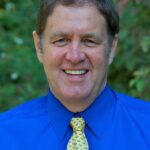
David retired to Maine after more than fifty years of secondary school teaching and now teaches as an adjunct in the Education and the Social Science departments of Southern Maine Community College. David and his wife, Laurie, love the many courses they have taken at the Midcoast Senior College and happily find them loaded with people who love talking about ideas, sometime even big ideas. A true Renaissance man, David sings Bass with the Midcoast Senior College Singers and is a member of the College’s Summer Wisdom Series committee. Laurie is a life-long animal rights advocate. David and Laurie tremendously enjoy being with their two energetic and personable grandsons.

David Cutler
Dave Cutler grew up in Fayson Lakes, New Jersey. Following a successful Army career, from which he retired as a Field Artillery Colonel, he was an Assistant Vice President for a Fortune-500 defense contractor where he worked as a human capital management consultant, project and program manager. He completed his professional career as a member of the federal civil service in the Office of the Under Secretary of Defense for Personnel and Readiness. He has a BA in Sociology from Furman University in Greenville, SC, and a MA in International Relations from the Catholic University of America in Washington, DC. He is a graduate of the US Army Command and General Staff College at Fort Leavenworth, KS, and the Marine Corps War College at Quantico, VA. He and his wife retired to Brunswick in 2016. He is a life-long learner and has taken a number of courses with Midcoast Senior College and in Fall 2023 taught a course, “Understanding the War in Ukraine.”
Leona Dufour
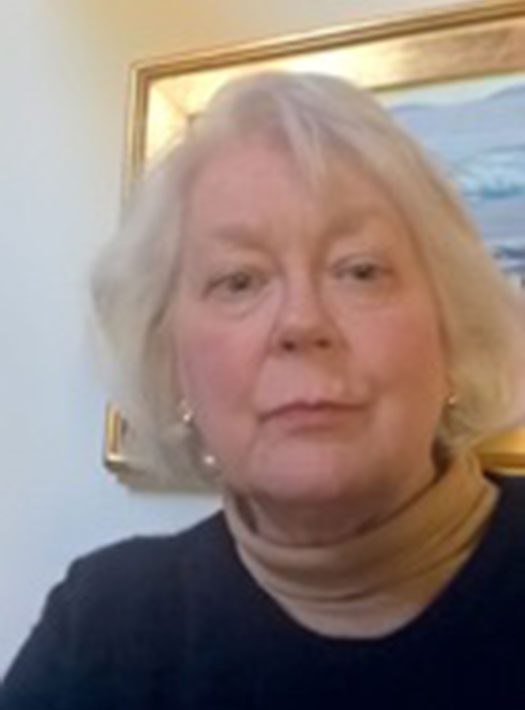
Leona retired from teaching high school English in upstate New York. She and her husband soon moved to Georgetown after having fallen in love with mid-coast Maine during numerous summer vacations. She has been taking courses at Midcoast Senior College nearly ever semester for the past fourteen years and has also partnered in teaching four courses. Last spring she did a zoom lecture.
In addition to finishing a memoir, she has been keeping a COVID diary for this past year. So far it numbers nearly 70,000 words. She hopes her granddaughter might be interested in it.

Susan Goran
Susan F. Goran has been privileged to practice in a variety of nursing roles in various ICUs throughout Maine and New England for many years. Retiring from a full-time clinical position 4 years ago, she is currently enjoying an adjunct faculty position teaching Leadership in the UNE School of Nursing & Population Health on the Portland campus. Susan attained her initial nursing diploma at the NE Baptist Hospital School of Nursing in Boston and later received her undergraduate and graduate degrees in nursing from University of Southern Maine in Portland. Very active in a variety of professional nursing organizations, Susan served on the Board of Directors for the American Association of Critical Care Nurses from 1993-96 providing her opportunities to present on critical care topics including leadership for regional, national, and international audiences. She has contributed to the professional nursing literature with peer-reviewed articles and book chapters and recently published her first textbook, ‘Telemedicine: Care Beyond Touch’ which is helping current healthcare providers learn about the use of telehealth/telemedicine to enhance patient care. Passionate about continuous learning, Susan has both attended classes at Midcoast Senior College as a participant and has offered her medical and nursing knowledge by teaching a course on advance directives entitled Final Gifts. Susan lives with her husband of 35 years, John, in Freeport and they enjoy following the sun during the winter months.

Kevin Hart
Kevin Hart has been a resident of Brunswick since 2009. Prior to moving to Maine, he taught health law and health policy at the University of Rochester, in New York State. He has been a practicing lawyer, a book editor, and a newsletter journalist in Washington, D.C., where he covered the U.S. Supreme Court. He is currently on the Board of Family Focus, and served on the board of the Friends of Curtis Library. He is actively involved in First Parish Church in Brunswick, where he is presently a member of the Church Council.
Bruce Hauptli
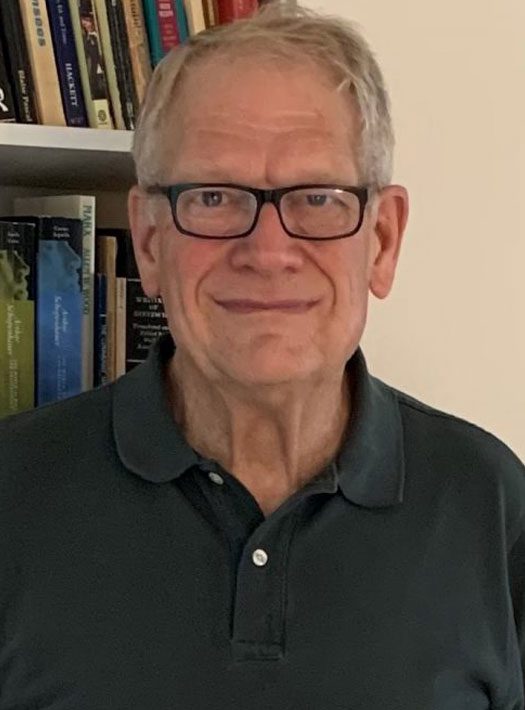
Bruce is a life-long educator who taught philosophy for forty years. He earned a BA in mathematics from Lawrence University in Appleton, WI; and a MA and PhD in philosophy from Washington University in St. Louis, MO.
He and his wife, Laurie, retired to Bath in 2015, and he has both taken and taught MSC courses.

Michael Jones
Michael is an associate professor of economics emeritus of Bowdoin College and has been an enthusiastic student and advocate for Midcoast Senior College, active with sponsorship development. He taught at Wesleyan and Yale Universities before arriving in Brunswick in 1987. He and his wife Dodie had summered on an island in Maine every year since 1973 and were delighted to make Maine their home. Michael’s 21-year career at Bowdoin College spanned all levels of service to the College. His economics teaching and research focused on international finance and trade. In 2004, he left his teaching position at Bowdoin to join the college’s Development staff as a Capital Gifts Officer, retiring a second time in 2008. He now divides his time between Brunswick and Tubac, Arizona, two wonderful places with people who help him keep mind, body, and spirit alive.
Leah Sprague
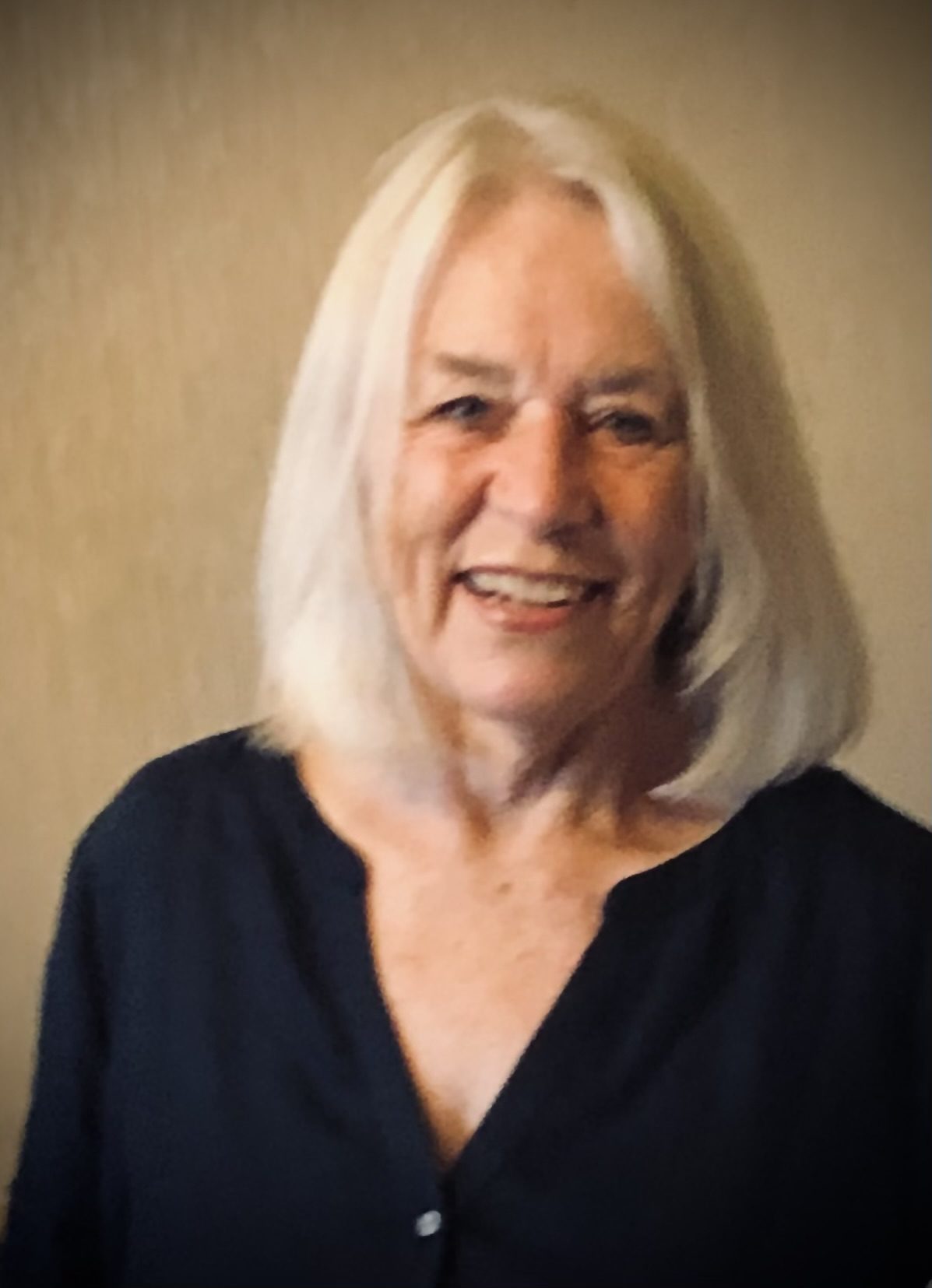
Leah Sprague is a graduate of Brown University and Boston University School of Law. She practiced law first with a large Boston firm before embarking on a forty-five year career in public service. She handled major litigation in state and federal courts as a Massachusetts Assistant Attorney General before joining the administration of Governor Michael Dukakis. She then served as a Justice of the Massachusetts Trial Court until her retirement to Maine n 2002. Here, she brought her dispute resolution skills to the Superior Court, specializing in complex cases of alleged medical malpractice, and to the Maine Public Utilities Commission as an ombudsman, working with landowners impacted by a major transmission construction project. She is a Founder of the Frances Perkins Center in Newcastle. She began taking courses at MCSC in 2003 and is committed to life-long learning.

Laurie Spurr
Laurie Spurr is the former Head of English at the Collège du Léman in Switzerland. She has also taught at the Université du Troisième Age, the Swiss equivalent of our Senior College. Prior to her teaching career, she was a journalist in Chicago, then associate head of a communications firm, before returning to journalism with an international wire service in Geneva. She has a BA in English from Mount Holyoke College and a teaching degree in French from the Université de Neuchâtel. After many visits to Maine over the years, she and her husband moved to Brunswick, where she has been delighted by the courses she has taken at MSC.
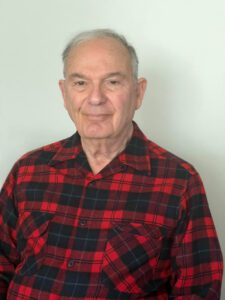
Ted Stainman
Theodore Stainman is a retired Air Force Chaplain who is a graduate of Rutgers University and the Hebrew Union College . He served for 23 years in the Air Force and after retiring has taught college courses for Wesley College in Dover, DE and for the Academy of Life Long Learning in Denver, CO. Currently he is teaching American Religious History at Midcoast. A native of New Jersey he as lived overseas in the following countries, Israel, Germany and Greece. He has a special interest in the diversity of American religion coming from his experience as a chaplain in the military.
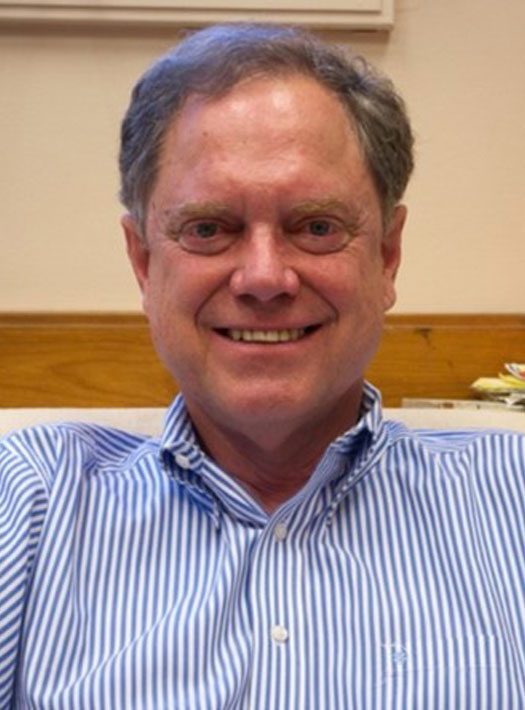
Bill VanderWolk
A French teacher during his 40-year career, Bill spent the last 29 years of it at Bowdoin, retiring in 2013. He has taught courses at MSC on French literature in translation and is Co-Chair of the Curriculum Committee.
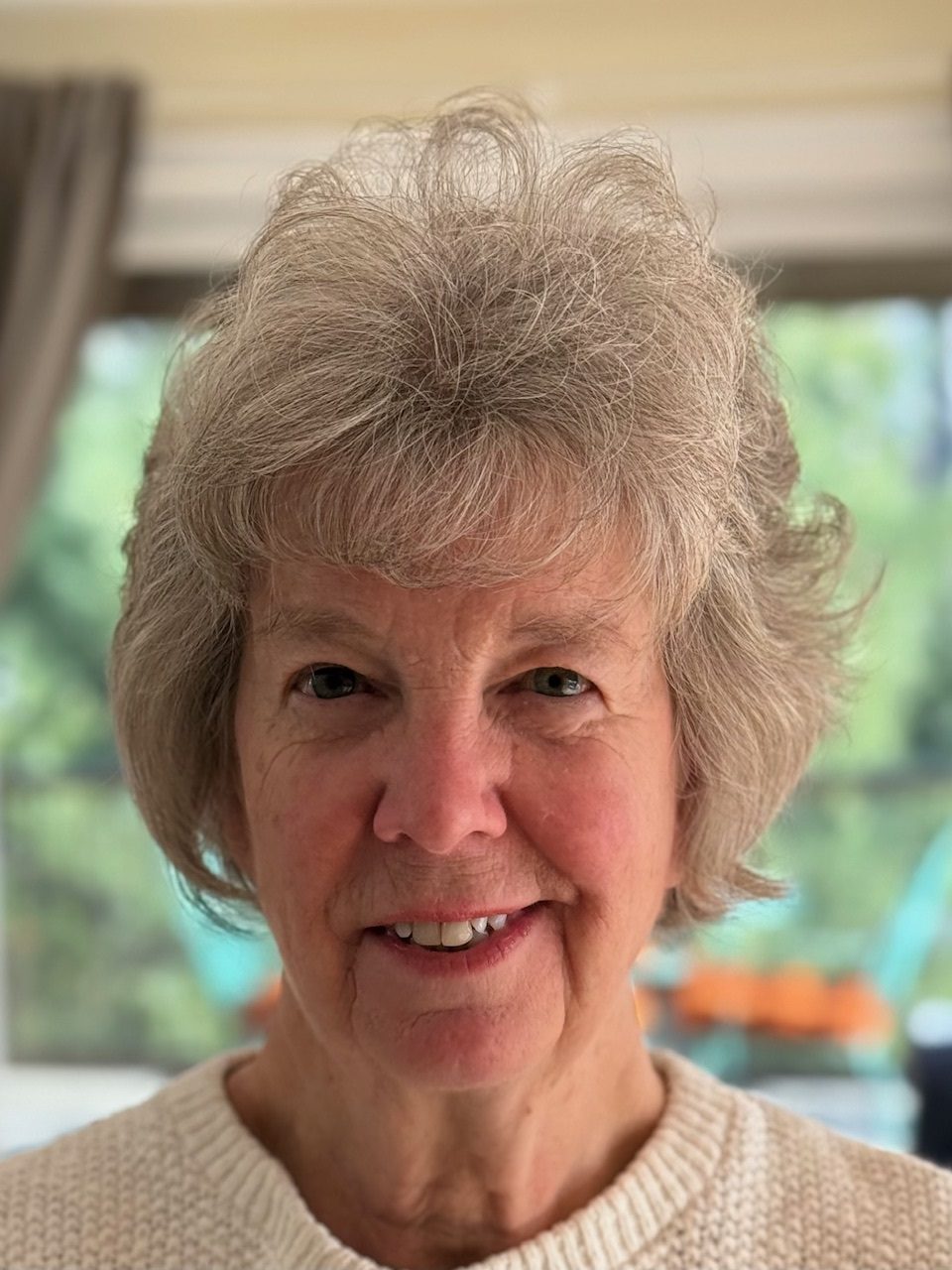
Ellen Whiting
Ellen is a proud Mainer who found her way home in 2012 after a rewarding 36-year career in medical education in Ohio. She is professor emeritus at Northeast Ohio Medical University where she served as Director of Faculty Development for clinical and basic science faculty. She relished teaching an annual elective course to senior medical students, including “Literature and Medicine, “Literature and Aging” and “Love Matters in Literature and Medicine.” Ellen was introduced to Midcoast Senior College when she taught, “Love Matters in Literature and Life,” based on her desire to learn with and from older learners. She also proudly serves as a volunteer at the Maine Maritime Museum where she is a shipyard guide and trainer. She lives on the Kennebec River in Bath.
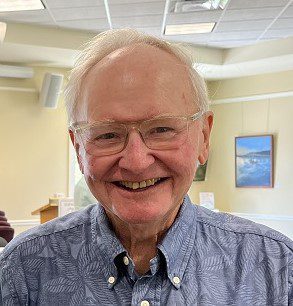
George Young
George graduated Phi Beta Kappa in English from Duke, and as a Woodrow Wilson Scholar, earned a Ph.D. in Slavic Languages and Literature at Yale. He taught Russian language and literature and general humanities at Grinnell, Dartmouth, and the University of New England. In retirement, both at OLLI in Portland and MSC in Brunswick, as both student and teacher, he has shared his long standing love of the great books, especially in Russian and ancient classical literature. In a long break from academia, he worked as a fine arts dealer and auctioneer. He and his wife now enjoy slow hiking, nine-hole golf, children, grandchildren, and the many rich but affordable opportunities for cultural life in Brunswick.
Board Responsibilities
What Does the MSC Board of Directors Do?
by James W. Wilkes, President, Midcoast Senior College
November 2018
The Midcoast Senior College (MSC) board of directors believes that strong board leadership is fundamental to a strong and effective college. When asked to explain what the MSC board does, I turned to a book I have used as my bible in the nonprofit world since 1988. Richard Ingram’s Ten Basic Responsibilities of Nonprofit Boards is now in its third edition and published by BoardSource.
The Midcoast Senior College board of directors:
1. Is responsible for ensuring that MSC’s mission is clearly stated and advocates for it
- The mission statement serves to guide board and staff decisions about programs, volunteer initiatives, and priorities among competing demands for scarce resources
2. Selects the executive director and determines what the executive director does
- Board of directors sets policy, plans, and strategy
- Executive director executes policy, completes plans, and implements strategy
3. Supports and evaluates the executive director
- The board provides personal and organizational support for the executive director’s leadership
- At least annually, assesses the executive director’s performance
4. Ensures effective planning
- All programs support and promote the mission and goals of MSC
5. Monitors and strengthens programs and services
- Determines which programs are consistent with mission, and monitors their effectiveness
6. Ensures adequate financial resources
- Assists in developing the annual budget, and ensures proper financial controls are in place
7. Protects assets and provides proper financial oversight
- Protects fiduciary responsibilities (public trust)
- Safeguards assets and holds them in trust
8. Recruits competent members to the board who bring specific, needed skills
- Articulates prerequisites for board positions
- Orients new board members
- Assigns members to chair committees in administrative, finance, development, other areas
- Periodically evaluates its own performance
9. Ensures legal and ethical integrity, and maintains accountability
- Adheres to legal standards and ethical norms, including: compliance, transparency, accountability
10. Enhances MSC’s public standing
- Serves as a link between the college, its members, and the general public
- Acts as MSC ambassador and advocates for the college
MSC Bylaws
BYLAWS
Midcoast Senior College
Article I – General Provisions
Section 1. This organization is known as Midcoast Senior College, hereafter referred to as “MSC.”
Section 2. MSC is incorporated under the laws of the State of Maine as an exclusively educational corporation within the meaning of Section 501(c)(3) of the Internal Revenue Code of 1986 or the corresponding provision of any future United States Internal Revenue Law. Section 501(c)(3) provides a nonprofit, tax-exempt status.
Section 3. The fiscal and academic year of MSC shall commence on July 1 and end on the following June 30.
Article II – Mission
The Mission of MSC is to provide non-credit academic courses and other educational events for people of 50 years and older to continue their life-long learning.
Article III – Membership
Section 1. Any individual fifty (50) years of age or older and the spouse or partner of that individual regardless of age is eligible for Membership in MSC.
Section 2. All members of the Board of Directors (hereafter referred to as the Board) and students are required to be members of MSC, but members of other Maine Senior Colleges may enroll in MSC courses without joining MSC. The Board establishes membership dues. Membership becomes effective upon payment and is for one year, July 1 through June 30.
Article IV – Annual Membership Meeting
Section 1. MSC shall hold its annual membership meeting preferably in June in person at a place reasonably convenient to the Members as determined by the Board; or, in the discretion of the Board, a meeting may be held entirely through means of remote communication without a specific site for the meeting or partially through means of remote communication with those Members attending in person at the location provided in the meeting notice. As provided in 13-B M.R.S.A. §602, the Board may, in its discretion, adopt guidelines and procedures authorizing Members who are not physically present at a meeting of Members to, by means of remote communication:
- Participate in a meeting of Members; and
- Be deemed present in person for quorum purposes and vote at a meeting of Members, whether such meeting is to be held at a designated place or entirely or partially through means of remote communication, only if:
- MSC has implemented reasonable measures to verify each person participating remotely is a Member;
- MSC has implemented procedures to accommodate remote communication; and
- If any Member votes or takes other action at the meeting by means of remote communication, a record of such vote or other action is maintained by MSC.
For the purposes of this section, “remote communication” means reasonable measures that provide the
Members a reasonable opportunity to participate in the meeting and to vote on matters submitted to the Members, including an opportunity to communicate and to read or hear the proceedings of the meeting, substantially concurrently with the proceedings, when not attending in person.
The date, time, and location of the meeting shall be communicated to the Membership no fewer than thirty (30) days prior to the meeting. This notification communication will include the agenda and nomination committee recommendations for election to the Board.
Section 2. During the annual meeting the attending membership will be asked to (a) approve minutes of the previous annual meeting, (b) elect members of the Board, (c) hear the Treasurer’s report, and (d) conduct other business as directed by the Board or Membership.
Section 3. At any meeting of the membership, a quorum will consist of 10% of the current membership. The meeting will be conducted by Robert’s Rules of Order.
Section 4. The Board may call special meetings of the membership at its discretion; the date, time, location, and agenda for these meetings shall be communicated to the membership no fewer than thirty (30) days prior to the meeting. This notification will also state the purpose of the meeting.
Section 5. Each member in attendance at any official meeting shall be entitled to a single vote. There shall be no proxy voting at any meeting of MSC.
Article V – Board
Section 1. The Board shall consist of up to seventeen (17) Members of MSC who are nominated by the Nominating Committee and elected by the membership with consideration given to diverse representation. No nominations for the Board may be presented from the floor of any meeting of the Members.
Section 2. Board members’ terms of service shall begin on the July 1 after they were elected and conclude three years later, on June 30.
Section 3. Normally, Board members may serve no more than two (2) consecutive three-year terms.
Section 4. In the event of a vacancy on the Board, a member of MSC who is nominated by the Nominating Committee and appointed by the Board shall fill the remaining term of the vacating Board member. They will then be eligible to serve two consecutive three-year terms.
Section 5. Unless otherwise directed by the President, the Board shall meet monthly. Notification of meetings, including time and location shall be communicated to Board members seven (7) days prior to the meeting, unless waived by unanimous consent. Five (5) members of the Board may call a special meeting, specifying the reasons therefore.
Section 6. The quorum for all MSC Board meetings is 2/3 of the elected members of the Board.
Section 7. The Board is charged with the general management of the affairs of MSC and will make policies for its organization and operation.
Section 8. The Board shall have the authority to approve an annual budget. The Board shall adjust membership fees, tuition, and address all financial matters to ensure the fiscal stability of MSC.
Section 9. All members of the Board shall conduct MSC activities in accordance with the Code of Ethics and Conflict of Interest Policy.
Section 10. Any member of the Board who may refuse or neglect to discharge the duties of a Board member may be removed by the affirmative vote of three-fourths (3/4ths) of the members of the Board present and voting at a meeting.
Section 11. The Board shall provide indemnification for Board members and officers, as stated in Title 13B, M.R.S.A., Section 714, as amended.
Article VI – Officers and Duties
Section 1. All officers must be Members. The officers of MSC shall be a President, Vice President, Secretary, and Treasurer. The Board shall elect its officers from its own membership, but an officer, once elected, may be reelected or elected to another office even if not then on the Board. All officers shall be elected for a term of two years but may be re-elected to serve one or more consecutive one year terms. These four officers shall constitute the Executive Committee.
Section 2. Board officers will be elected at the regularly scheduled Board meeting immediately prior to the annual meeting and take office and the end of the current fiscal year.
Section 3. The President shall serve as Chief Executive Officer of MSC, the Board, and the Executive Committee, and shall call and shall preside at all Board and Members’ meetings. The President may serve as a non-voting ex-officio member on any committee. The President shall have the authority to appoint the chairs of standing and ad hoc committees, with the exception of the Finance Committee. The President will review standing committee membership. The President, with the MSC employees, shall see to the orientation of new Board members.
Section 4 Normally, the Vice President will assume the office of President at the end of the President’s term. The Vice President shall aid in the discharge of the President’s duties and shall serve as President if the President is absent or disabled. The Vice President will be MSC’s Compliance Officer for the Whistleblower Policy and the Ethics Officer for the Code of Ethics.
Section 5. The Immediate Past-President may continue on the Board in an advisory position to the
President, but as a non-voting member if his or her term of office has been fulfilled. The Immediate Past-President may serve as an advisor to the President, chair the Nominating Committee, serve as a non-voting member of the Executive Committee, and perform additional tasks as requested by the President.
Section 6 The Secretary shall be responsible for keeping records of Member and Board decisions, including taking and distributing minutes at all Board and Member meetings, overseeing the preparation and filing of compliance documents, with, among others, the Maine Secretary of State, and assuring that corporate records are maintained.
Section 7 The Treasurer shall be responsible for directing the financial affairs of and shall see to the adherence to the Disbursement Policy. The Treasurer shall chair the Finance Committee and report to the Board at each of its meetings and to the membership at the annual meeting. The Treasurer shall supervise financial operations, record, and oversight and make financial information available to Board members. The Treasurer supervises the bookkeeper.
Section 8. Removal of Officers: Officers may be removed by a 3/4 vote of the Board members present and voting.
Article VII – Employees
Section 1. The organization (MSC) may hire employees and assign them various duties and responsibilities as required. Employees are directly responsible to the President of the Board and may attend Board meetings, but shall have no voting privileges. Employees may be invited to sit on other MSC committees, but have no voting privileges.
Section 2. Employees may, as appropriate and as authorized by the Board, be included in the MSC Board and Officers liability coverage; the cost of such coverage shall be paid by MSC.
Article VIII – Committees
Section 1. Standing Committees
Section 1. The Board, in its discretion, shall typically have Standing Committees as set forth below. In addition, the Board or the President may appoint such other committees as are deemed necessary.
- Standing Committees are formed by the Board. The duties of Standing Committees are delegated by the Board and include consideration of and recommendations regarding issues presented to them by the Board, Executive Committee, or the President.
- It is expected that all members of the Board will actively participate on Standing Committees.
Members of Standing Committees shall be recommended by any member of the Board or Standing Committee Chairs. Chairs of Subcommittees shall be appointed by the Committee Chair in consultation with the Board President.
- Terms of members of Standing Committees including the Chair shall be one year, but a Chair and a member, once appointed, shall continue to serve until his/her resignation or replacement.
- Non-Board members may serve on Committees. Committee Chairs and Committee members shall be Members of MSC. Standing Committee Chairs who are not members of the Board may attend Board meetings but do not have voting privileges.
- Committee Chairs will determine the size and membership of their committees and review committee rosters with the President and/or designated employees upon request. Chairs of the standing committees, unless otherwise specified in these Bylaws, need not be Board members.
Section 2. Executive Committee
- Consists of the four Officers of MSC. In the event an officer is disabled or an office is vacant, in order to maintain four members on the Executive Committee the Board may delegate one of its members to serve on the Executive Committee in an interim capacity in lieu of the disabled or missing officer.
- Considers and acts on issues of pressing urgency to MSC.
- Informs the Board of all its actions.
- Meets regularly and on call by any officer.
- Works with the President to appoint Committee Chairs.
- Is responsible for presenting to the Board for approval all policies and by-laws necessary for the operation of MSC.
- Ensures current printed copies of the Bylaws and all policies are maintained in the MSC central office.
Section 3 Technology Committee
- Provides direction to the Board, the MSC employees, and committees on subjects relating to the utilization of technology that assists in fulfilling the mission of MSC.
- Based on guidance from the Board, the MSC employees, and the committees, the Technology Committee (a) establishes guidelines related to the use of technology, (b) proposes the acquisition of appropriate hardware and software products as needed, (c) provides support to users of technology for MSC, and (d) oversees the management and operations of the website and related activities.
Section 4. Community Outreach and Marketing Committee
- Facilitates communication to Members and contacts through the website, email, etc.
- Promotes public awareness of the MSC in the community through newsletters, publicity, social media, and other forms of engagement.
- Is responsible for increasing public awareness of MSC, encouraging enrollment, and establishing linkages with other organizations that serve seniors in the Midcoast area.
- In collaboration with the MSC employees, initiates and directs all marketing, networking, website and social media, community links, and advertising projects, including press releases.
Section 5. Curriculum Committee
- Is responsible for all aspects of the curriculum, including the courses, workshops, and lectures offered, selection of faculty, development of course descriptions, classroom assignments, and class schedules.
- Initiates the distribution of course feedback forms and completes analysis in a timely manner.
- Supports the work of Winter Wisdom, and Summer Wisdom, These subcommittees recruit and schedule speakers for their respective programs in January/February and May/June. They are also responsible for securing appropriate venues for their respective series, for all arrangements, and timely public announcements of their programs.
Section 6. Finance Committee
- Is chaired by the Treasurer of MSC.
- Develops the annual budget with the MSC employees and approves the annual budget for presentation to the Executive Committee and the Board.
- Works with the Treasurer to develop appropriate financial reports.
- Creates and updates financial policies and procedures and ensures they are followed.
- Oversees MSC investment matters.
Section 7. Development Committee
- Is responsible for strategic planning in the area of fundraising.
- Plans and implements an annual fundraising drive.
- Seeks outside funds through grants, major gifts, and other financial assistance for MSC programs.
Section 8. Nominating Committee
- The chair is selected by the President and additional members are appointed by the Executive Committee from the MSC Membership.
- Is responsible for providing the Secretary with a slate of nominees for the Board no fewer than fortyfive (45) days before the annual membership meeting and presents the slate at that meeting.
- In the event of a vacancy on the Board or of an Officer, nominates a replacement and reports that nominee for election by the Board to fill the remaining term of the vacating Board member or Officer.
- Develops a process for assessing individual Board candidates and educating them on the commitment involved.
- Regarding committees, the chair shall forward names of individuals to the committee chair in which an individual expresses interest. The committee chair may decide if the individual is suitable and needed.
- At every Annual meeting a Committee member shall address the membership encouraging nominations for future Board positions.
Section 9. Events Committee
- Creates fun and intellectually stimulating activities to promote social interaction among members.
- Identifies opportunities for special events, including excursions and trips, to enhance membership benefits.
- Plans and coordinates the annual membership meeting and any pre-semester faculty orientation luncheons as directed by the Board.
Article IX – Disbursement
MSC will adhere to its Disbursement Policy.
Article X – Amendment of Bylaws
Proposed additions, deletions or other modifications of the Bylaws shall be considered at a Board meeting prior to being voted on at a subsequent Board meeting. Draft bylaw changes shall be submitted to each member of the Board not less than seven (7) days before any initial discussion. The final version of any proposed change shall be submitted to each member of the Board not less than twenty (20) days before the vote on the change is called. The By-Laws may be reviewed periodically at the discretion of the President.
Article XI – Dissolution
Section 1. Upon dissolution of MSC, assets shall be distributed for one or more exempt purposes within the meaning of section 501(c)(3) of the Internal Revenue Code, or the corresponding section of any future federal tax code or shall be distributed to the federal government, or to a state or local government, for a public purpose. Any such assets not so disposed shall be distributed by a court of competent jurisdiction in the county in which the principal office of MSC is then located, exclusively for such purposes or to such or organization or organizations, as said court shall determine, which are organized and operated exclusively for such purposes.
Section 2. No part of the net earnings of MSC shall inure to the benefit of any member, Board member, or private individual (except that reasonable compensation may be paid for services rendered to MSC in carrying out one or more of its purposes), and no member, Board member, or officer of MSC or any private individual shall be entitled to share in the distribution of any of the assets upon dissolution of MSC.
Article XII – Code of Ethics
Section 1. MSC may have a Code of Ethics to guide and reinforce the conduct of all areas of MSC operations. Any such Code of Ethics shall reflect MSC’s existing culture and serve as guidance for Board members, Committee Chairs, Faculty and Staff in MSC related activities. MSC recognizes that adhering to a code of ethics is basic to the proper conduct of its mission and every Board member, Committee Chair, and staff member is expected to behave in a manner that reflects MSC’s commitment to ethical standards and compliance with the law.
Approved by the Board March 18, 2026
Committees
Committee Chairs
- Community Outreach: Susan Goran
- Curriculum: Leona Dufour, John Haile*
- Development: Bruce Hauptli
- Executive: Susan Goran
- Events: Freda Bernotavicz
- Finance: Kevin Hart
- Nominating: M. Kelly Matzen
- Summer Wisdom: David Clark, Mark Stephens*, Roy Underhill*, Morton Achter*
- Winter Wisdom: Reg Elwell*, Scott Andrews, Laurie Spurr
Newsletter
Laurie Johnson, Editor of The Midcoast Inquirer
Webmaster
Dana Eidsness**
Volunteer Coordinator
Dana Eidsness**
* Not a Board member
**Serves ex officio as a non-voting member on the Board of Directors
Our Sponsors